
Vitamin C Serum: How to Pick One That Actually Works
October 16, 2026

A good vitamin C serum can brighten your skin, reduce fine lines, and give you that glow-forward look you're after. But here's the thing: a lot of vitamin C serums out there don't actually work as promised. The difference comes down to stability, formulation, and knowing what to look for when you're shopping.
This guide walks you through everything you need to know to find a vitamin C serum that delivers real results, not just hype.
Related: Niacinamide Serum: Benefits, How to Use & Best Results
In this article
- Why Vitamin C Serum Matters (and Why Quality Varies So Much)
- What to Look for in a Vitamin C Serum
- How to Use Vitamin C Serum the Right Way
- Price Doesn't Always Equal Results
- Medical-Grade vs. Over-the-Counter: Does It Matter?
- Common Mistakes That Waste Your Money
- How to Layer Vitamin C Serum Into Your Routine
- Bottom Line: What Makes a Vitamin C Serum Worth Your Money
Why Vitamin C Serum Matters (and Why Quality Varies So Much)
Vitamin C is one of those skincare ingredients that does actual work. It's a powerhouse antioxidant that protects your skin from environmental damage, brightens dull complexions, and supports collagen production for firmer-looking skin over time.
The catch? Vitamin C is incredibly unstable. It degrades easily when exposed to light, air, and heat. That means a badly formulated or poorly stored serum might lose its potency before it even touches your skin.
This is why you can find vitamin C serums at wildly different price points and quality levels. Some products are shelf-stable, properly formulated, and genuinely effective. Others are mostly marketing with a splash of vitamin C that's already broken down.
What to Look for in a Vitamin C Serum
When you're comparing options, these are the non-negotiables:
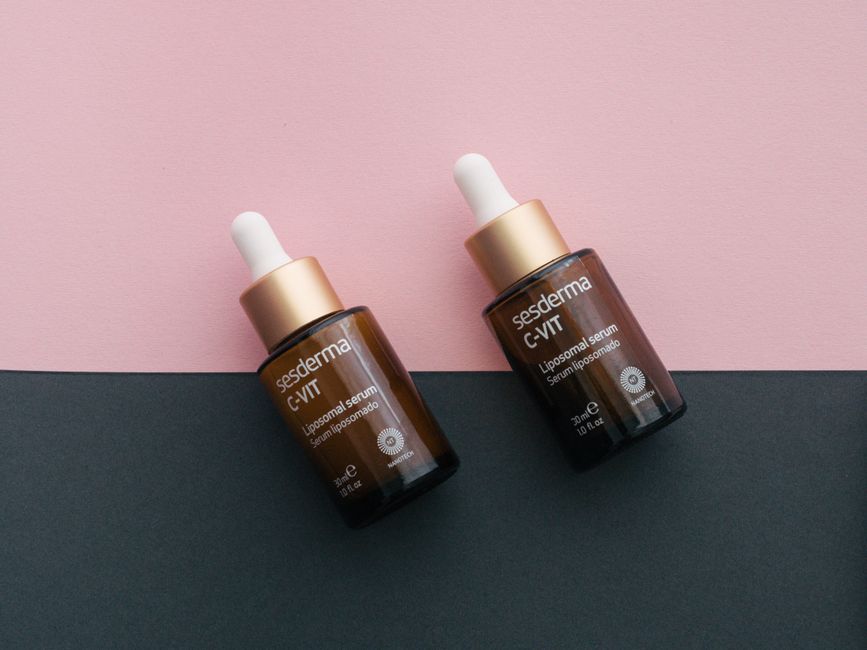
- Stability first. Check if the serum comes in dark or opaque packaging. Light exposure kills vitamin C. You also want a formula that's been tested to stay potent from purchase through use.
- Non-pilling texture. A good vitamin C serum should blend smoothly under your sunscreen and other products without clumping or balling up. This matters for daily wear and consistency.
- Easy application. The best serum in the world won't help if you skip it because the application is a hassle. Look for straightforward, pump or dropper bottles that are easy to use every single day.
- Hydrating formula. Vitamin C can feel drying on some skin types. Serums that layer in hydrating ingredients like glycerin or hyaluronic acid give you brightening and anti-aging benefits without stripping your skin.
- Fragrance-free option. If your skin is sensitive, fragrance-free and paraben-free formulations are out there. They deliver the vitamin C benefits without unnecessary irritants.
Finding the right serum takes real comparison. With over 30 vitamin C products on the market, it's worth taking time to read ingredients, check the packaging, and understand the formulation before you commit.
How to Use Vitamin C Serum the Right Way
Even the best serum won't work if you're using it wrong. Here's the simple routine:
Step 1: Cleanse and tone. Start with a clean face. If you use a toner, apply it and let it dry completely.
Step 2: Apply serum to damp skin. A few drops go a long way. Gently press the serum into your face and neck. Don't rub or tug at the skin.
Step 3: Wait a minute. Let the serum absorb fully before you layer anything else on top. This prevents pilling and gives the vitamin C time to penetrate.
Step 4: Moisturize and protect. Follow with your regular moisturizer. In the morning, always follow with SPF. Vitamin C makes your skin more sun-sensitive, so sun protection is non-negotiable.
Use vitamin C serum once a day (morning or night) if your skin is new to it. Once your skin adjusts, you can work up to twice daily if you want. Consistency matters more than intensity, so pick a time you'll actually remember and stick with it.
Price Doesn't Always Equal Results

Vitamin C serums range from budget-friendly to premium. The price tag alone doesn't tell you if a serum will work for you. Some affordable options are genuinely solid. Some pricey ones are just paying for branding.
What actually matters: the ingredient list, the packaging, and whether the formula has been designed to keep vitamin C stable. Those details matter way more than the dollar amount you're spending.
When you're ready to shop and want guidance on quality formulations that actually deliver results, Skin Before Glam curates clean, effective vitamin C serums that live up to their claims. We skip the filler products and focus on what works so you don't have to guess.
Medical-Grade vs. Over-the-Counter: Does It Matter?
You might see vitamin C serums labeled as "professional-grade" or "medical-grade." These formulations are typically more concentrated and have been tested for higher efficacy.
That said, over-the-counter vitamin C serums can absolutely work. The real difference is concentration and formulation science. A well-made drugstore serum might deliver 90 percent of the results of a professional-grade option at a fraction of the cost.
If you have stubborn concerns like deep hyperpigmentation or significant sun damage, a professional-grade formula might be worth the investment. If you want solid brightening and anti-aging support for everyday use, a quality over-the-counter option gets the job done.
Either way, focus on finding a formula that's stable, well-formulated, and actually fits into your routine. Skin Before Glam has done the testing for you, so you can feel confident in whatever you choose.
Common Mistakes That Waste Your Money
You want results, not regret. Here are the slip-ups to avoid:
- Buying serums in clear bottles. If you can see through the packaging, vitamin C is degrading. Pass.
- Skipping SPF after vitamin C. Your skin is more sensitive to sun damage. Sunscreen isn't optional.
- Going too strong too fast. If you've never used vitamin C before, start with once daily and build up. Too much too soon can irritate your skin.
- Mixing vitamin C with incompatible products. Vitamin C can be tricky with other actives like niacinamide or retinol. Keep your routine simple when you're introducing a new serum.
- Assuming price = quality. Expensive doesn't always mean effective. Read the label, check the packaging, and research the brand's formulation practices.
How to Layer Vitamin C Serum Into Your Routine
Vitamin C is best applied first thing after cleansing. Here's a simple layering order that works:
- Cleanser
- Toner (if you use one)
- Vitamin C serum
- Hydrating serum or essence (optional)
- Moisturizer
- SPF (morning only)
Keep it simple. Too many layers means products can't absorb properly, and you're more likely to experience pilling or irritation.
If you want help building a routine that includes a quality vitamin C serum matched to your skin type, Skin Before Glam specializes in curated, intentional skincare that actually works together. No filler products, no guessing.
Bottom Line: What Makes a Vitamin C Serum Worth Your Money
The best vitamin C serum for you is one that has a stable, tested formula, comes in dark packaging, applies smoothly without pilling, and fits easily into your daily routine. Price matters less than formulation quality and your own consistency with using it.
Look for products that are honest about their ingredients and don't make wild claims. The most effective vitamin C serums deliver gradual, cumulative results: clearer tone, brighter skin, and fine lines that fade over time. That's what real vitamin C does.
Start with a solid formula, use it consistently, and give it at least 4 to 8 weeks before you decide if it's working for you. Skincare is a long game, not a quick fix.
How long does it take to see results from vitamin C serum?
Most people see noticeable brightening and tone evening within 4 to 8 weeks of consistent daily use. Fine lines and deeper anti-aging effects take longer, usually 8 to 12 weeks or more. Patience and consistency matter way more than jumping between products.
Can I use vitamin C serum if I have sensitive skin?
Yes, but start low and go slow. Begin with once-daily application, preferably at night so you can monitor how your skin responds. Look for fragrance-free, paraben-free formulations designed for sensitive skin. If irritation happens, dial it back or skip a few days between applications until your skin adjusts.
Will vitamin C serum make my skin more sensitive to the sun?
Vitamin C is an antioxidant that protects your skin, but it doesn't increase sun sensitivity. That said, any brightening or exfoliating skincare makes your skin more vulnerable to UV damage if you're not protecting it. Always use SPF in the morning when you're using vitamin C serum.
What's the difference between vitamin C serum and vitamin C powder?
Vitamin C serums are ready-to-use liquids that you apply directly to your skin. They're pre-formulated for stability and absorption. Vitamin C powders are mixed with water or another product at home, which gives you freshness but requires more work. Serums are easier for daily use and typically more stable if packaged properly.